Barbara Hepworth: Searching for ‘Forms and Rhythms and Curvatures for My Own Satisfaction’
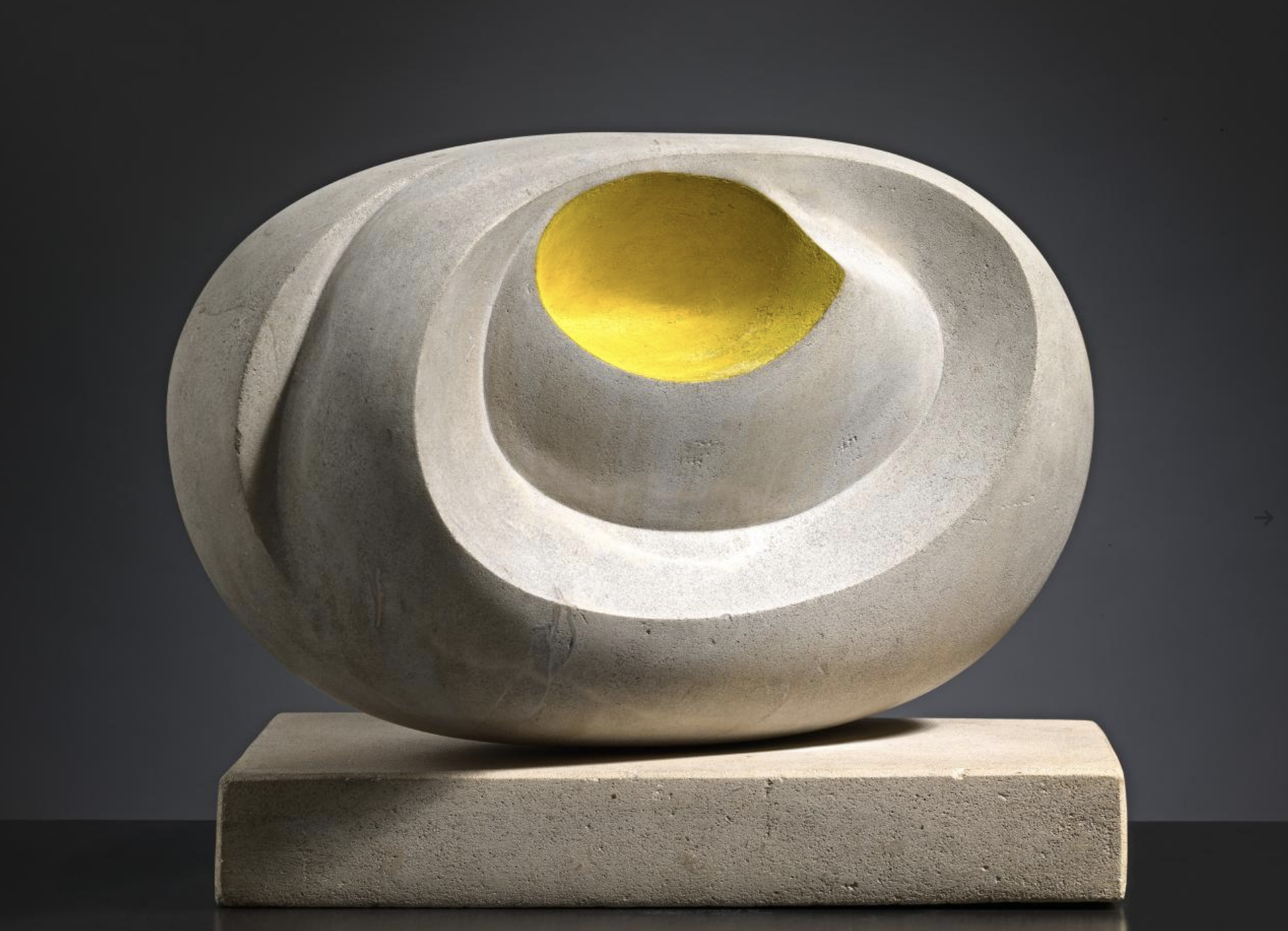
Barbara Hepworth (1903-1975), Eidos, 1947, National Gallery of Victoria, Melbourne. Photo: Predrag Cancar / NGV. Image courtesy National Gallery of Victoria, Melbourne
I enjoyed a small exhibition of the work of sculptor Barbara Hepworth at the Courtauld Gallery, London. (‘Hepworth in Colour’ runs until 6 September.)
'My works are an imitation of my own past and present.'
Barbara Hepworth
Born in Wakefield in 1903, Hepworth studied at the Royal College of Art, and afterwards in Florence and Rome, learning the Italian tradition of direct stone carving. Just before the outbreak of the Second World War, she and her husband, the artist Ben Nicholson, left London with their young children, for St Ives in Cornwall. It was here that she properly explored what she called ‘the particular tensions and relationships of form and colour.’
‘I actually think I have discovered how to use both [colour and form] together to achieve a new power and experience, and I have discovered certain laws. I don’t think anybody has done it before.’
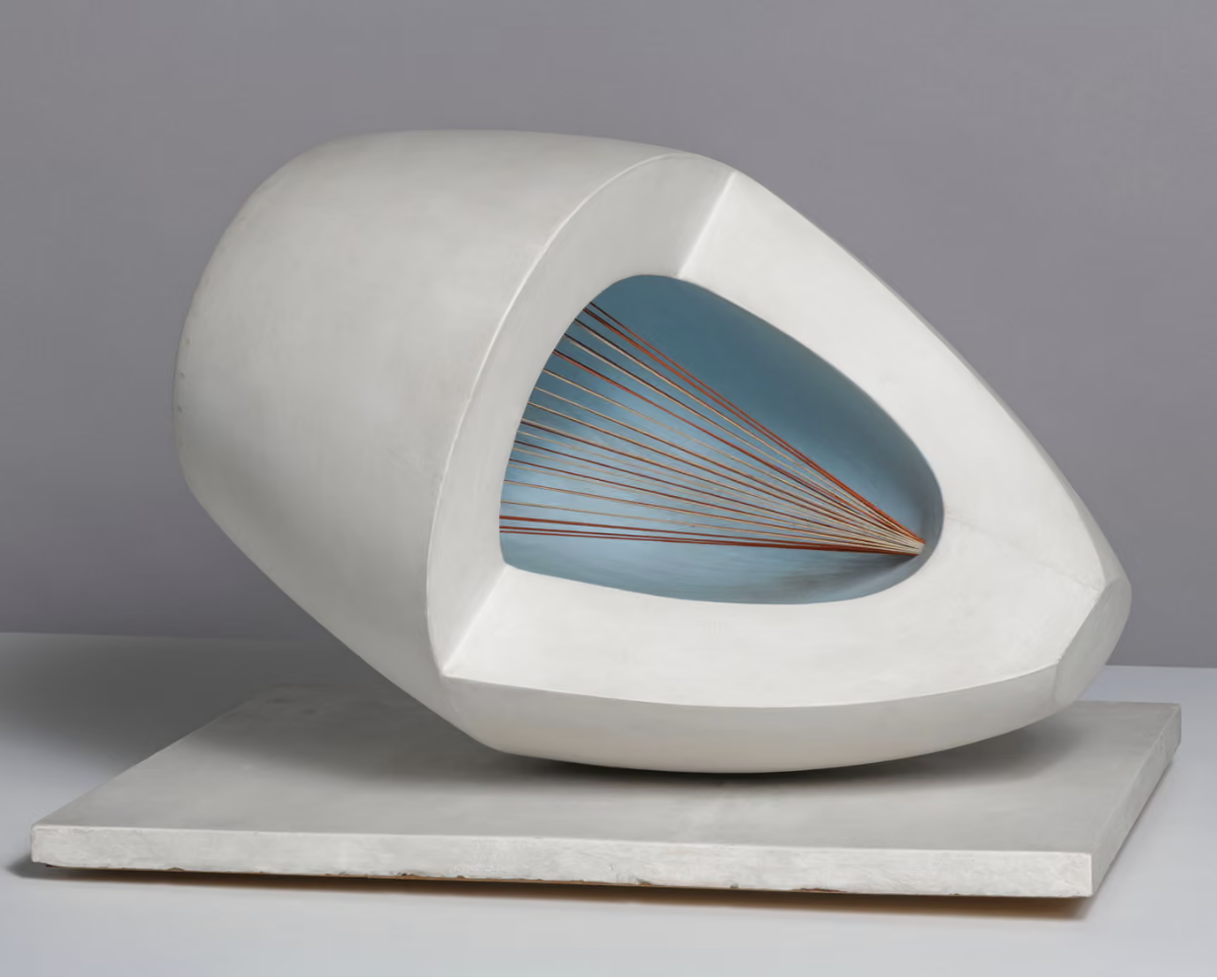
Barbara Hepworth, Sculpture With Colour (Oval Form) Pale Blue and Red, 1943.
Working in plaster, wood and stone, Hepworth experimented with geometric shapes - spheres, cylinders and cones; arcs and axes; lozenges, ovals and parabolas. She polished her pieces to a sheen, pierced and hollowed them, revealing inner surfaces that - inspired by the sea and sky, the light and atmosphere of the Cornish coast - she painted deep and pale blue, intense sunny yellow and vibrant grassy green. Occasionally she added taut strings in different colours as accents.
‘The colour in the concavities plunged me into the depths of water, caves, or shallows deeper than the carved concavities themselves.’
Pure forms, with refined surfaces and enfolding curves, Hepworth’s sculptures perhaps suggest cells, seeds and acorns; wombs; planetary and crystalline shapes. They create what she described as ‘the sense of being curled up in the shelter of sunlit cliffs.’ They have a serene beauty.
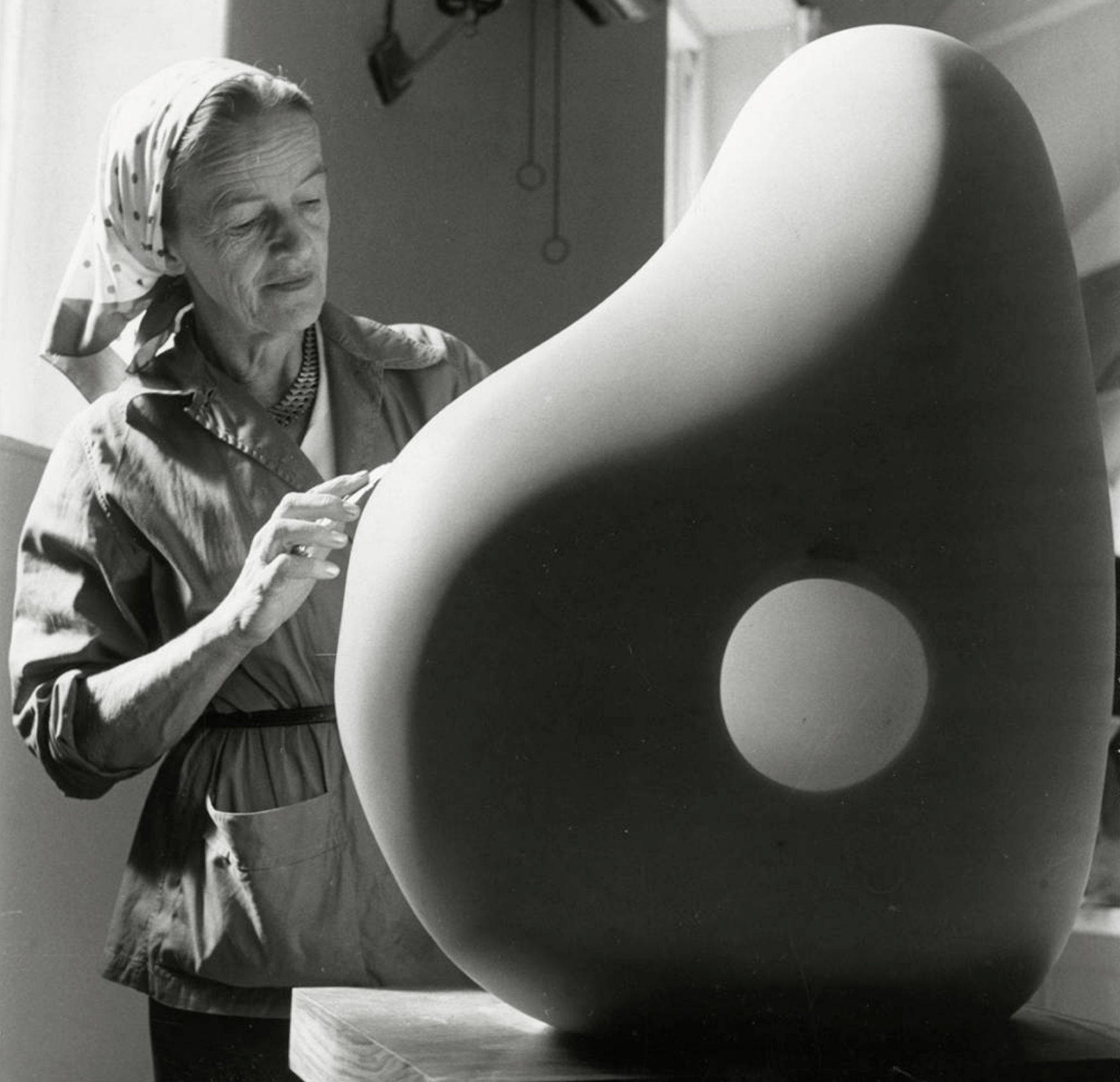
Barbara Hepworth
At the show, you can see 18 of Hepworth’s sculptures, and also 26 drawings and paintings - what she termed ‘sculptures in disguise’ - where she worked through her ideas.
‘I spend whole periods of time entirely in drawing (or painting as I use colour) when I search for forms and rhythms and curvatures for my own satisfaction.’
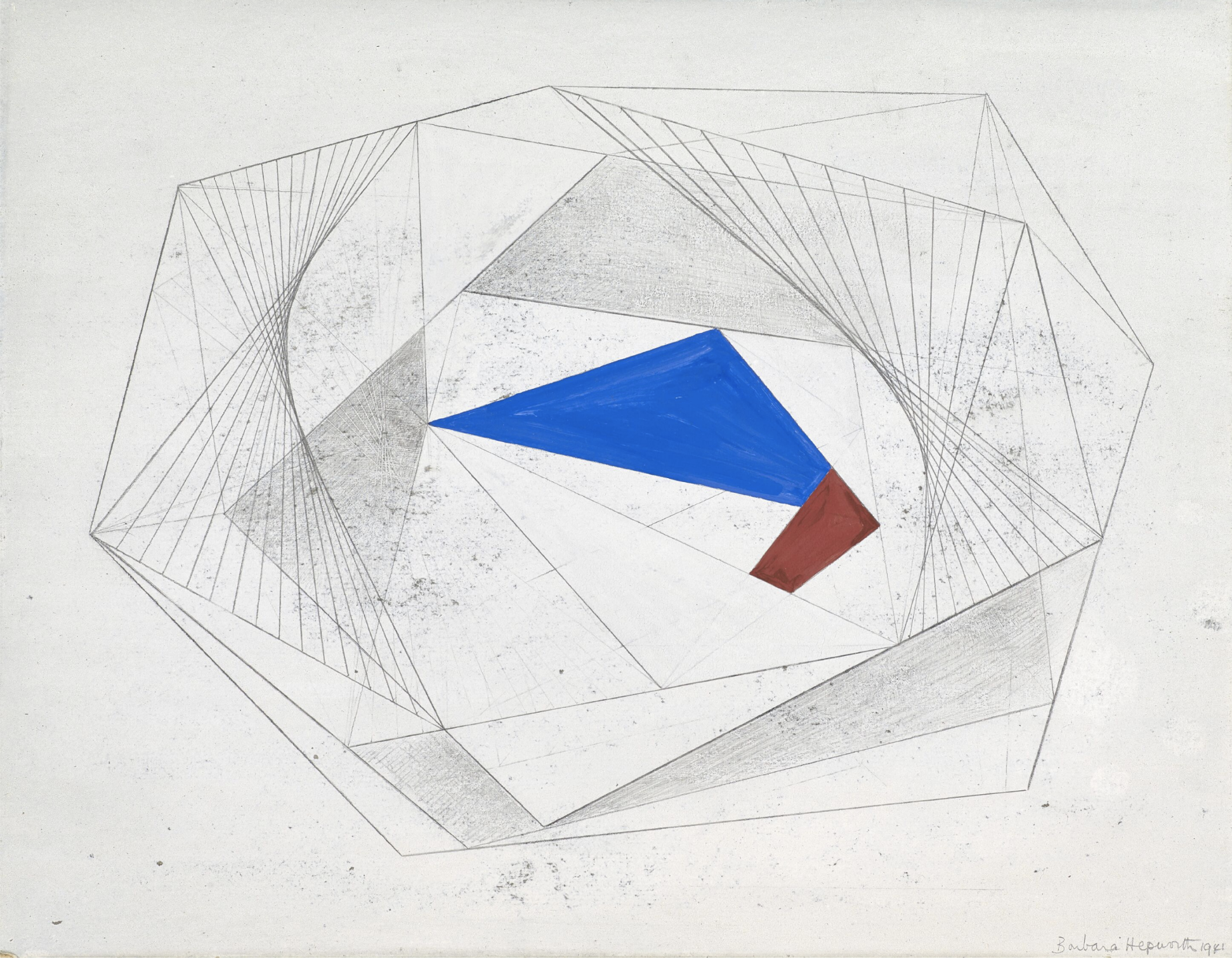
Barbara Hepworth (1903-1975), Drawing for Sculpture with Colour (Forms with Red and Blue), 1941, pencil and gouache on paper-covered board.
This language prompted me to reflect on the world of marketing. Whilst we are often offered martial and mechanical metaphors to articulate brand building, I have found it helpful to think of our core task as something more organic and emotive: creating meaningful patterns; setting a seductive beat; designing a compelling cadence that swings and tilts and cascades. Indeed, one could say ‘searching for forms and rhythms and curvatures.’ Brand building is not a science, rigid and fixed. It is a natural, fluid, creative endeavour, requiring fundamentally human qualities of instinct, taste and judgement.
Hepworth was not given to self-promotion and she was often misinterpreted. Critics sometimes felt her work was too cool, and credited her innovations to Henry Moore. While recognising her mastery of form, they seldom celebrated her use of colour.
‘My colour has been accepted, but never understood.’
This exhibition goes some way to rectifying that error.
'Walking in rhythm,
Moving in sound.
Humming to the music,
Trying to move on.
I'm walking in rhythm,
Singing my song,
Thinking about my baby,
Trying to get home.’
The Blackbyrds, 'Walking in Rhythm’ (B Perry)
No. 579