Simple Minds: ‘We Should Go Down Our Own Path and See Where It Takes Us’
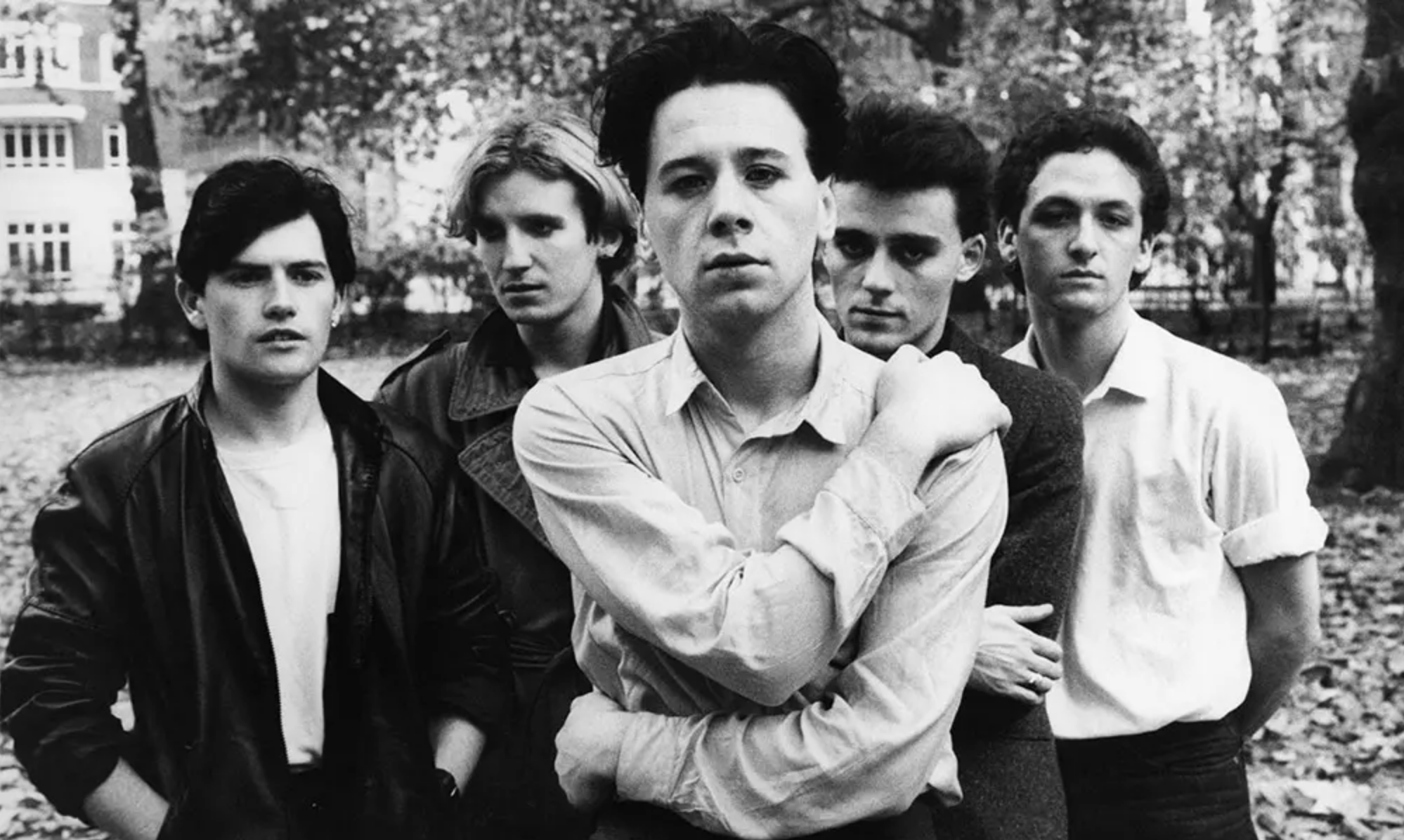
Photo: Virginia Turbett/Redferns
I recently enjoyed a film documentary about the Scottish band Simple Minds. (‘Everything is Possible,’ 2023, directed by Joss Crowley)
‘One performance at a time. One gig at a time. One verse at a time. One dream at a time. Doing the work.’
Jim Kerr
In the late ‘70s and early ‘80s, Simple Minds developed their own luminous blend of pop, punk, funk and art rock. They took their inspiration from Bowie and glam; from literature and European culture; from dance music and electronica. Their success was achieved through persistence, inventiveness and an independent spirit. They were ambitious, confident, optimistic. And they thought big.
'You are what you think. So just think big, believe big, act big, work big, give big, forgive big, laugh big, love big and live big.'
Andrew Carnegie
Jim Kerr and Charlie Burchill grew up in close proximity, on the Southside of Glasgow, an area struggling to recover from industrial decline. As working-class kids, they were raised to respect books and libraries, consuming the likes of Robert Tressell, Gunter Grass and Ray Bradbury.
‘Dad used to say: ‘You’ve got to read. You’ve got to educate yourself. If you educate yourself, you won’t be a slave.’’
Jim Kerr
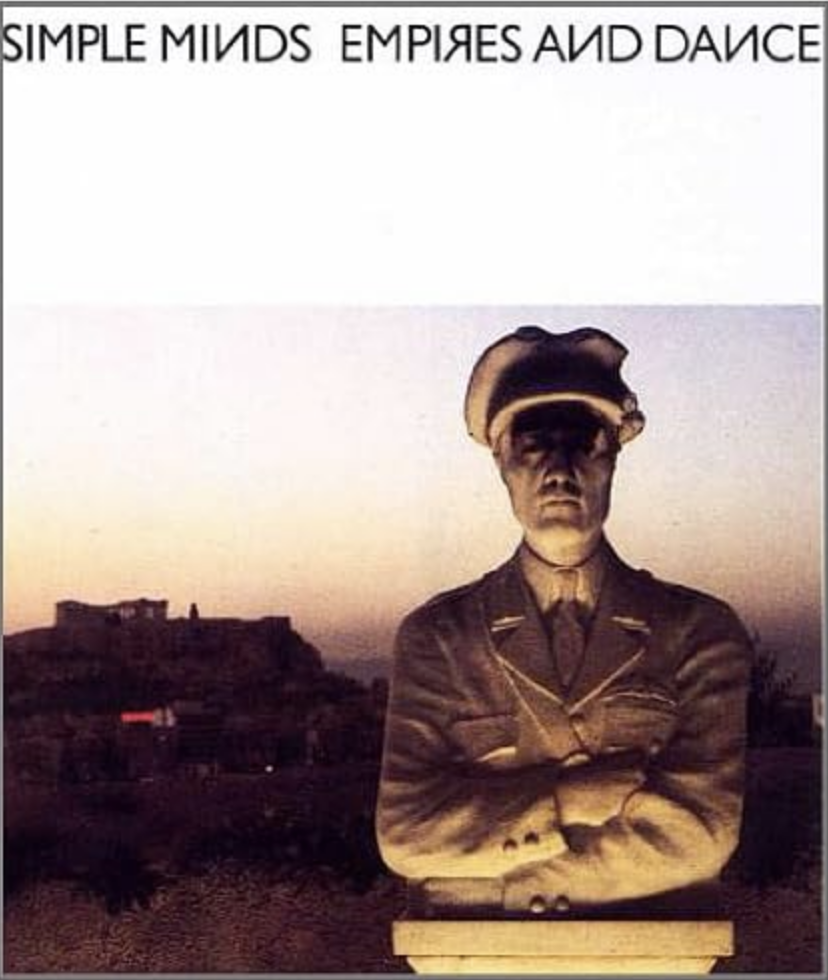
Simple Minds ‘Empires and Dance’ Album Cover
They were also drawn to travel, and they hitched round Europe in their teens.
‘For some people, the world ends at the bottom of the street. For me and Charlie at the age of 14 or 15, it was: No, no, the world begins there.’
Jim Kerr
Burchill taught himself to play guitar on an instrument that his mother bought him with coupons from Embassy cigarettes. Kerr discovered that he lost his stammer when he sang. Inspired by David Bowie (‘He was our art school.’), they formed a glam rock band which expired after one gig. Then punk arrived in Glasgow.
‘The place was on fire with people deciding they were going to do stuff. The barbarians were at the gates.’
Jim Kerr
Their own punk band, Johnny & The Self-Abusers, was short-lived. But they were spurred on in 1978 to form Simple Minds (a name derived from Bowie’s 'Jean Genie') - a musical enterprise that would work from a broader palette, drawing on German electronica and the disco sound of Giorgio Moroder. Wearing sharp suits, sporting directional haircuts, and performing with a bold light show, they drew a cult following in Glasgow.
‘We’ll make it, because we’re convinced we’re too good to be ignored.’
Jim Kerr
Simple Minds’ first album, 'Life in a Day’ (1979), failed to capture the raw energy of their live shows. They felt it was too glossy and poppy. What’s more, the competition was hotting up.
‘The day before we finished recording, a mate came down and said: ’You wanna hear this.’ And he gave me ‘Unknown Pleasures’ by Joy Division. I thought: ‘Oh, no. We’ve blown it.’’
Jim Kerr
The band went straight back into the studio and recorded their next album, 'Real to Real Cacophony ‘(1979). This time the music was more experimental, more angular, more true to themselves.
‘We should go down our own path and see where it takes us…. Although the path was out of focus, it felt like it was the right path.’
Jim Kerr
'In passage of time,
To a cigarette burn.
In the book that I read,
To the sentence I learn.
Up and down,
Going round,
Going round 'till we drown again.
I'm gonna set myself up,
I'm gonna up to the top.
Up to the top,
To the top,
I'm going down to the ground.
Going round,
Till we drown,
Going round till we drown again.'
‘Factory’ (D Forbes / C Burchill / M Macneil / J Kerr / B McGee)
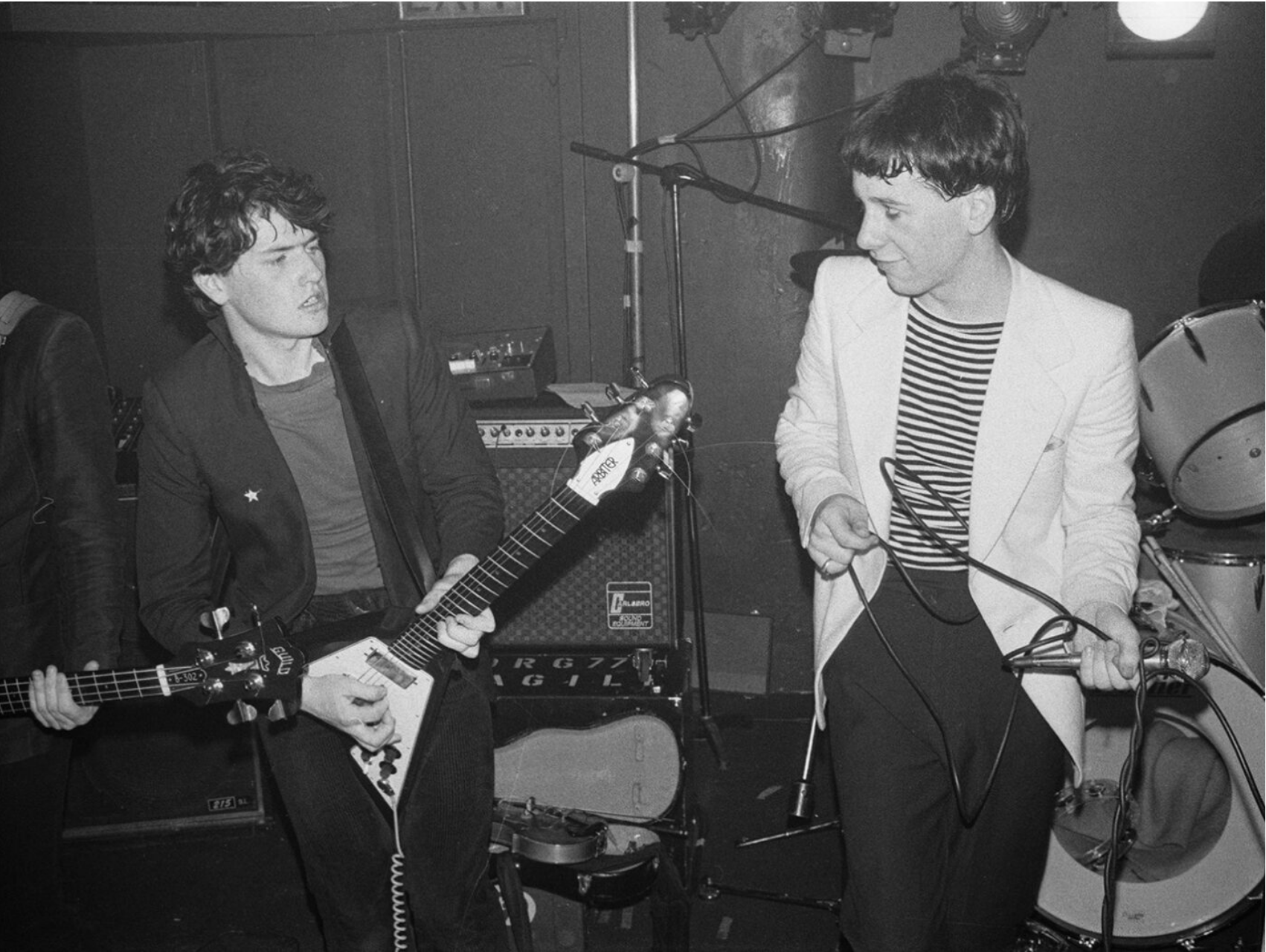
From 1979 through to 1981, Simple Minds performed with a line-up of Kerr, Burchill, Mick MacNeil, Derek Forbes and Brian McGee. They toured Europe extensively, soaking up stimulus as they went. They had a phenomenal work ethic and sense of purpose.
‘We knew there were sprinters, and we knew there were marathon men. And we wanted to be the latter.’
Jim Kerr
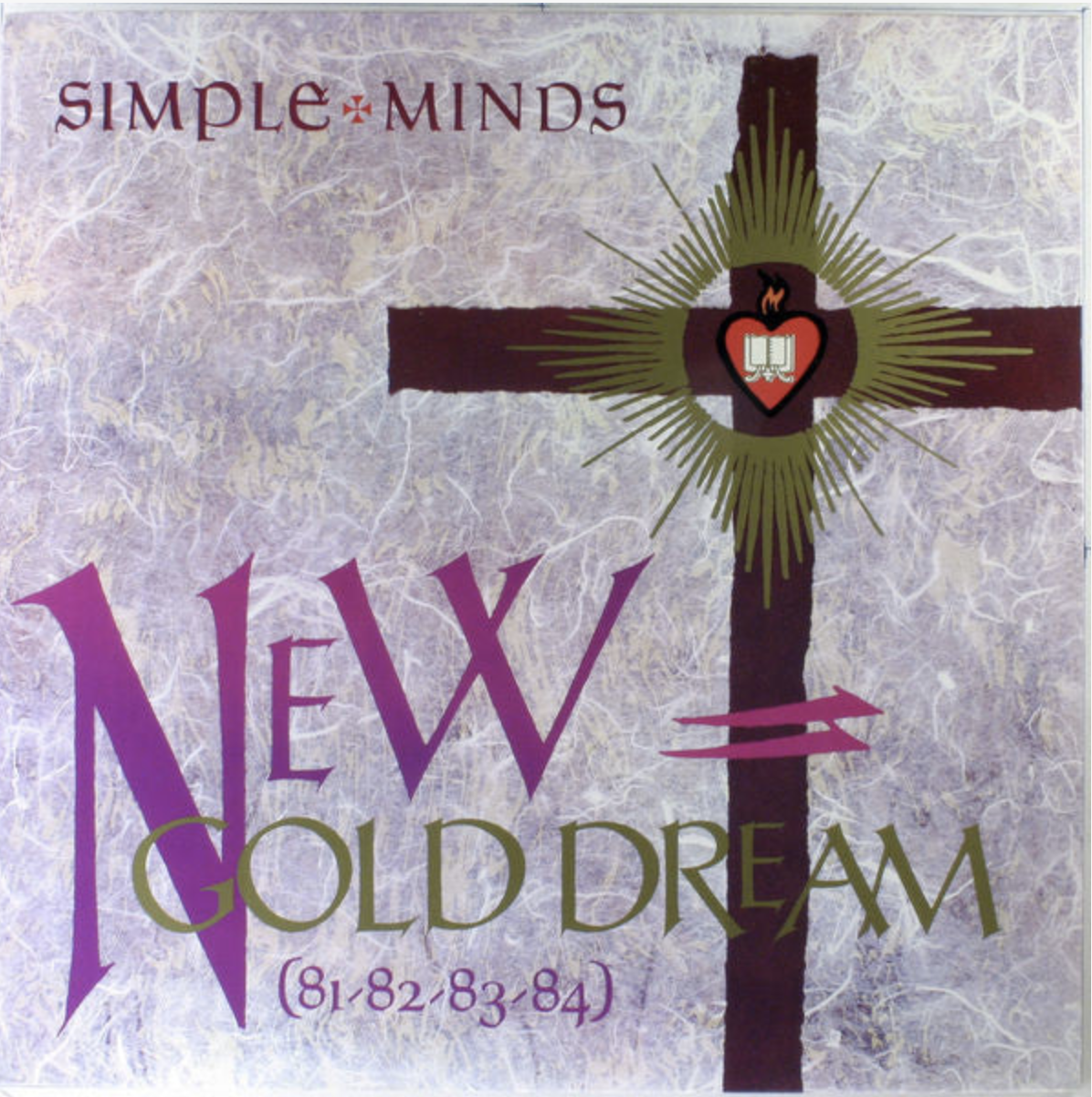
There followed a succession of compelling albums: ‘Empires and Dance’ (1980), which boasted the revolutionary single ‘I Travel’; the moody sibling recordings ‘Sons and Fascination’ and ‘Sister Feelings Call’ (1981); the peerless ‘New Gold Dream’ (1982).
At the heart of Simple Minds’ distinctive sound, Burchill’s chiming guitar blended with MacNeil’s shimmering synthesiser cords; McGee’s propulsive electronic rhythms fused with Forbes’ robust, complex bass. Kerr strode across the stage with feline grace, sometimes crouching on his haunches. His lyrics were impressionistic postcards, cinematic dreamscapes. He sang of the faded grandeur of European cities; of contemporary decadence, poverty and cold war unease. He sang of long, trance-like road journeys into the night; love in cold climates; and the exhilarating rush of new technology and the future.
Critically Simple Minds broke with the convention of looking to the United States for influences. They took their cues from Europe.
'Cities, buildings falling down.
Ideal homes falling down.
Those pictures I see on the wall,
Timeless leaders standing tall.
Assassin in a hit and run,
Asia steals a new born son.
Evacuees, refugees,
Presidents and monarchies,
Travel round,
I travel round.
Decadence and pleasure towns,
Tragedies, luxuries, statues, parks, galleries.
Travel round,
I travel round.
Decadence and pleasure towns.'
'I Travel’ (D Forbes / C Burchill / M Macneil / J Kerr / B McGee)
Gradually the band achieved the chart success to match the critical acclaim they had long commanded.
‘There just seemed to be this feeling in the air that was beckoning us.’
Jim Kerr
And, as they played larger venues, their sound naturally evolved.
‘If this is the kind of place we’re going to be in, we’re going to have to have a tougher sound. We’re going to have to be a bit more bombastic.’
Jim Kerr
Simple Minds’ music expanded, became bigger, more anthemic. And with the thumping, direct drumming style of new member Mel Gaynor, they could fill stadia.
'Up on the catwalk, a big wheel is spinning.
And Dollars to Deutschmarks, and pennies from heaven.
And up on the catwalk, there's one hundred million,
With letters from thousands that say ``Just who are you?''
There's one thousand names that can spring up in my mind.
But you'd call it blackmail and that's just not my kind.
And up on the catwalk, up on the catwalk,
And I don't know why.
I will be there, I will be there, I will be there.
I will be there, I will be there.’
‘Up on the Catwalk’ (C Burchill / D Forbes / J Kerr / M Gaynor / M Macneil)
The 1984 album ‘Sparkle in the Rain’ (1984) sold well, but the band remained largely unknown in the United States.
This all changed in 1985 when they recorded a song (written by Keith Forsey and Steve Schiff) for the opening sequence of the film ‘The Breakfast Club.’ ‘Don't You (Forget About Me)’ became US No. 1. And they followed it up with the 'Once Upon a Time' album (1985), which scored four worldwide hits.
‘‘Don’t You (Forget About Me)’ didn’t just open the door. It was like a bomb going off.’
Jim Kerr
Simple Minds had hit the heights. They continued to record and tour the globe. But inevitably the relentless workload and competitive pressure took its toll. Over the next ten years their line-up underwent frequent changes.
‘We were knackered. We were desensitized. The band started to fracture. We were lads who had grown up together, we were meant to grow together, politically, spiritually and artistically. But we were getting tired with each other. There was an element of the chore creeping in. We were coasting and this whole other thing was a challenge.’
Jim Kerr
With evolving fashions and tastes, the band endured some fallow years.
‘You find out a lot about yourself when you’re in the back of a van driving to a club that isn’t sold out that night, and as you’re driving there, you drive past a stadium that you did sell out.’
Happily, Simple Minds are now, once more, properly appreciated - recognised as innovators, pioneers of pop music that was intelligent, inventive, ambitious. They teach creative people to read extensively, to travel enthusiastically, to draw on diverse experiences. They encourage them to work hard, to play the long game, to pursue their own path - in their quest to discover their own New Gold Dreams.
'Promised you a miracle.
Belief is a beauty thing.
Promises, promises.
As golden days break wondering.
As love takes a train.
Summer breeze and brilliant light,
Only love she sees, he controls on love.
Love sails to a new life.’
‘Promised You a Miracle’ (D Forbes / C Burchill / M Macneil / J Kerr)
No. 556
