Photobooth: The Same Technology Can Both Liberate and Constrain
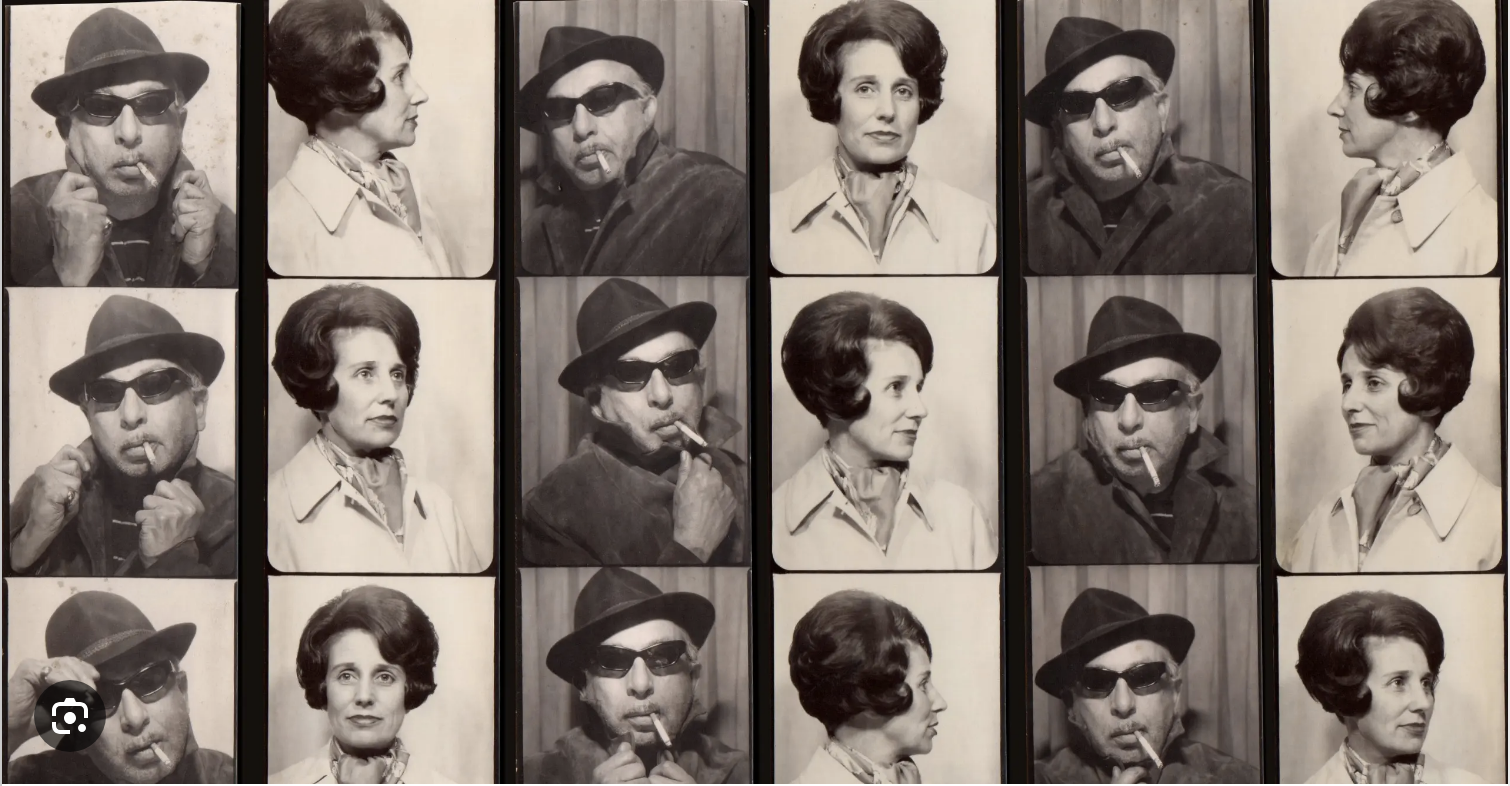
A little while ago, I visited the Photographers’ Gallery to see a display celebrating 100 years of the photobooth. (The exhibition is now over, I’m afraid. But you can review the splendid vintage collection of Raynal Pellicer in his book ‘Photobooth.’)
In the decades following the birth of photography in 1839, various designs for self-operating portrait machines were patented. There was an appetite for photographs without photographers - and the attendant appointments, formality and inconvenience. But it was only in 1925 that Anatol Josepho, an immigrant to the US from Russia, introduced the first commercially successful photobooth, on Broadway in New York. And so the selfie was born.
Josepho’s machine was extraordinarily complex. It photographed, developed and printed, using a spider assembly mechanism and a carousel of water baths, developer and bleach, clearing agent and toner, heaters and rollers. And yet it also had a revolutionary simplicity.
‘Eight photos in eight minutes for twenty-five cents.’
Early Photomaton advert
In its first six months, the photobooth was used by 280,000 people. Subsequently the newly formed Photomaton Company placed booths nationwide, and in 1927 Josepho was paid $1 million and guaranteed future royalties. By the 1930s photobooths were a common feature of train stations, shopping centres and arcades, across North America and Europe.
‘I don’t want to be ‘took’!
But children lose all awkwardness and shyness in the Photomaton cabinet. They like it!’
Early Photomaton advert
Liberated from the human mediator, photographs became instant, affordable, universal. Photobooth images were more relaxed, informal and spontaneous than studio shots. People smiled, posed, kissed and laughed. They experimented with expressions, hand gestures and tilts of the head; with clothes, hats and disguises. Sitters took their photos alone, with their partner, or crammed in with friends. For soldiers a visit to a photobooth became a ritual of farewell on the way to war. And because photobooths were democratic, they didn’t turn Black people away, and they were a safe space for gay couples.
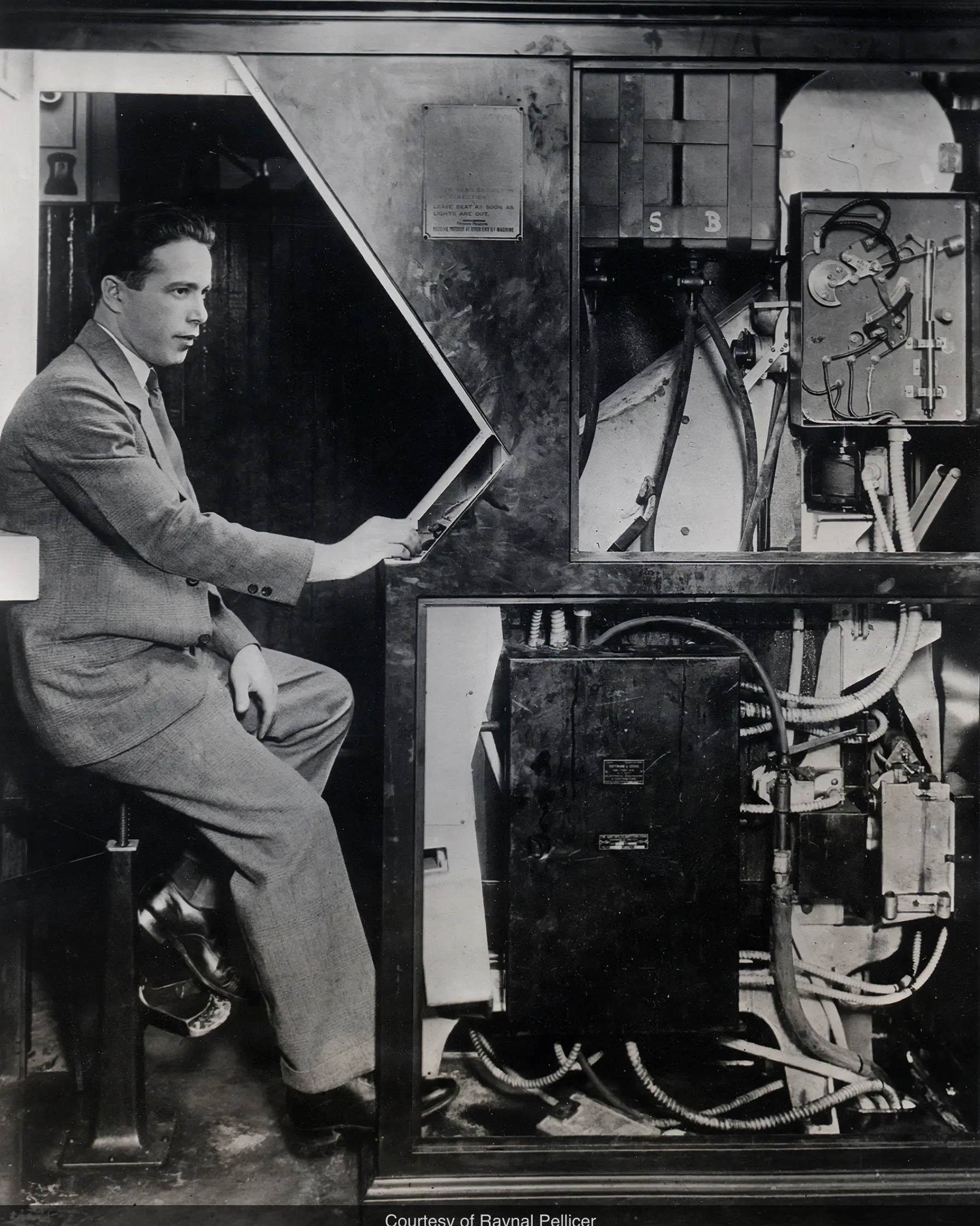
Over the years, photobooths acquired their own culture. Sitters learned to navigate the challenges of the blinding flash, the wobbly stool, the merciless timing of the shots. They embraced the risks of a blink or an unintended movement; the occasional errors caused by blurring, discolouration or overexposure.
However, governments and institutions soon recognised the usefulness of photobooths for official documents. And they took on an entirely different role in people’s lives. Administrative images needed to be serious, stiff and standardised. And so a tool that had given unprecedented agency, became a mechanism for monitoring, recording and categorising. A platform for play, performance and memory, became a vehicle of control, authority and bureaucracy.
The same innovation can both liberate and constrain. We’re quite familiar with this phenomenon in the era of social media and AI. However bright the technology, it can cast a dark shadow.
'I've been looking so long at these pictures of you,
That I almost believe that they're real.
I've been living so long with my pictures of you,
That I almost believe that the pictures are all I can feel.
If only I'd thought of the right words,
I could have held on to your heart.
If only I'd thought of the right words,
I wouldn't be breaking apart all my pictures of you.
'The Cure, ‘Pictures of You’ (B Williams / L Tolhurst / P Thompson / R Smith / R O'Donnell / S Gallup)
No. 568